Affordable Premier Roofing & Exteriors Near You
What Homeowners Can Expect During a Roof Replacement: A Comprehensive Guide by the Experts at Premier Roofing & Exteriors
Replacing a roof can be a considerable endeavor for every homeowner. Knowing the process is vital to navigate potential challenges effectively. From inspecting the roof's current condition to controlling timelines and expenses, each step necessitates thoughtful planning. Open communication with the roofing contractors also holds significant importance. As the project develops, unanticipated challenges may surface, prompting homeowners to adapt. By reviewing this guide, homeowners can more effectively prepare for the complexities of a roof replacement.
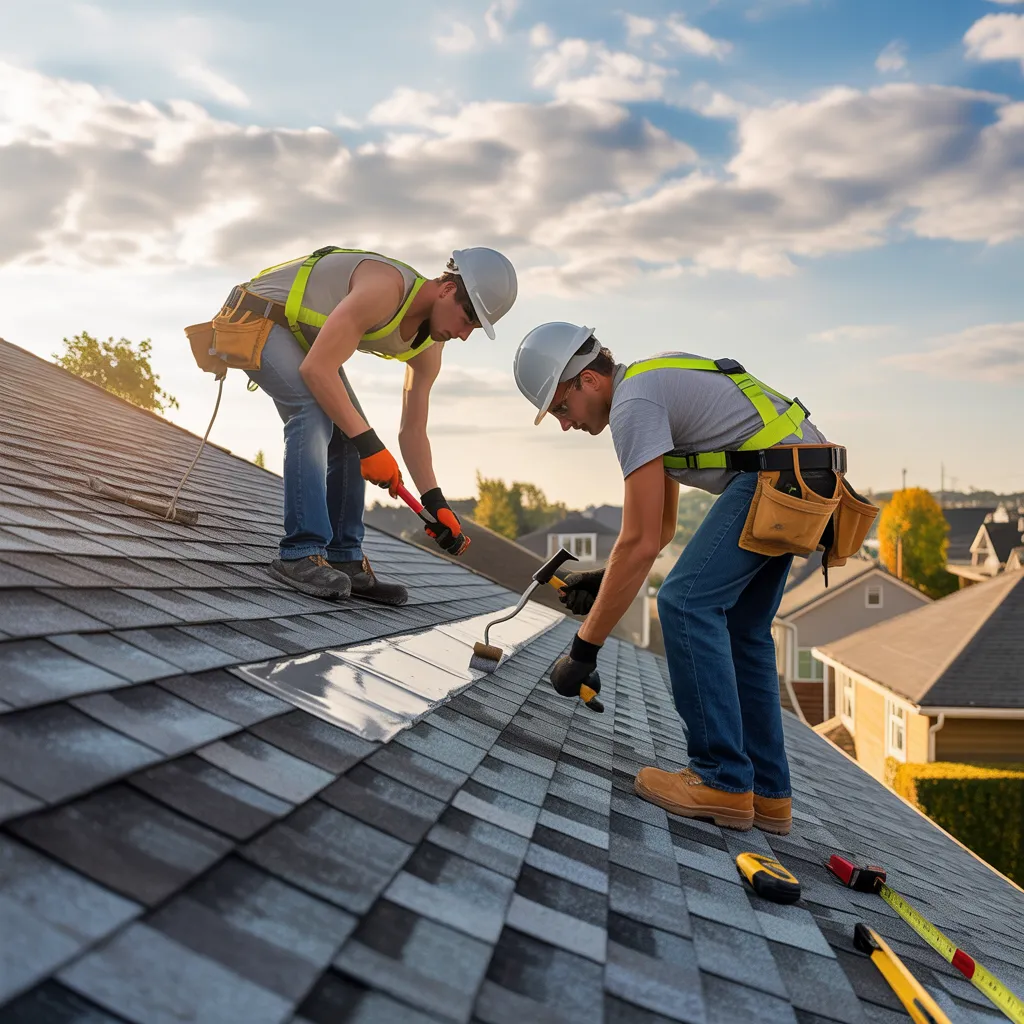
How to Identify When You Need a Roof Replacement
How can a homeowner determine if their roof requires replacement? Several key indicators can guide this assessment. First, the age of the roof plays a significant role; the majority of roofs last between 20 and 25 years. Property owners ought to look for obvious signs of damage, including missing or curling shingles, as these may point to deterioration. Additionally, water stains or leaks in the attic or ceilings may suggest underlying issues requiring urgent attention. Granules in gutters can signal shingle degradation, while excessive sunlight entering through the roof may reveal gaps or holes. Moreover, a sagging roof can be a clear sign of structural damage. Routine check-ups, particularly following harsh weather conditions, can assist in detecting these problems at an early stage. By taking all of these elements into account, homeowners can reach well-informed conclusions regarding the necessity of roof replacement, protecting both the safety and structural integrity of their residences.
What You Can Expect During Your Roof Replacement?
When undergoing a roof replacement, homeowners can expect a structured timeline that details each phase of the project. Preparation and safety protocols are fundamental aspects, providing protection for the crew and the property alike throughout the process. Being aware of these factors helps create accurate expectations for the length and execution of the work.
Process Timeline
A standard roof replacement project spans several days depending on the size and complexity of the roof. Initially, the roofing crew conducts an assessment to identify the range of tasks required, which generally lasts a few hours. After the materials arrive, the roofing replacement gets underway. This phase typically lasts one to three days for most homes. The crew strips away the existing roofing material and examines the underlying structure for any damage. Should repairs be needed, they are completed prior to installing the new roof. Weather conditions can affect the timeline, potentially delaying progress. Homeowners should be prepared for some noise and disruption during the work, but roofing professionals strive to reduce interruptions while delivering a complete and efficient replacement.
Preparation Guidelines and Safety Protocols
Homeowners should prepare for the roof replacement process by familiarizing themselves with the essential safety precautions that will be implemented. It is important to create a specific zone for workers and materials to limit potential dangers. Clear communication with the roofing crew about any concerns or specific requirements will enhance safety. Homeowners should also consider moving vehicles away from the vicinity to prevent damage from falling debris. Ensuring that children and pets are kept indoors or away from the worksite is vital for their safety. Moreover, having knowledge of the projected noise levels and likely disruptions will enable homeowners to adapt their schedules appropriately. By actively implementing these safety protocols, homeowners can contribute to a more efficient and safer roof replacement experience.
Picking the Ideal Materials for Your Roof
What elements should homeowners keep in mind when selecting roofing materials? Property owners should assess climate conditions, longevity, and overall appearance. Certain materials are better suited for specific climatic environments; as an illustration, metal roofs are highly effective in snowy regions, whereas asphalt shingles provide an affordable option for milder climates.
Durability is another vital consideration. Roofing materials like slate and tile are known for their durability yet tend to carry steeper upfront price tags. Homeowners are advised to measure these initial costs against the anticipated savings on future repairs and replacements.
Aesthetics play a significant role as well. The selected material ought to harmonize with the home's architectural design and surrounding area. Furthermore, energy performance can impact the selection of materials; choices such as reflective metal roofing can lower cooling expenses.
In addition , local building codes and regulations may dictate suitable options , further guiding homeowners in their selection process . Understanding these factors ensures an informed decision , ultimately enhancing the residence's overall value and efficiency .
How to Get Your Home Ready for a Roof Replacement
Readying a home for a roof replacement includes multiple critical steps to achieve a hassle-free and productive process. It is recommended that homeowners start by clearing the surrounding area of the home, relocating outdoor furniture, potted plants, and vehicles to ensure the roofing crew can work freely. It is also wise to secure windows and doors to prevent damage from falling debris.
Inside the home, homeowners should remove or cover any possessions in the attic and higher levels to guard them from debris and dust. Homeowners may want to inform neighbors about the scheduled work to minimize disruptions. Furthermore, making sure pets remain inside or in a secured space can prevent accidents during the work.
Finally, arranging the roofing project at a time with ideal weather conditions can significantly improve productivity and security throughout the project. These preparations will contribute to a seamless roof replacement outcome.
Creating a Budget for Your Roof Replacement Project
Planning the finances for a roof replacement requires a clear understanding of material costs, which can vary considerably based on the chosen materials. Additionally, homeowners should account for potential extra expenses, such as permits and labor. Careful planning can help guarantee that the project remains within financial limits while meeting quality standards.
Understanding Material Costs
Comprehending material costs is essential for homeowners beginning a roof replacement project. Different roofing materials, such as tile, metal, and asphalt shingles, come with unique pricing and durability characteristics. Asphalt shingles are typically the most affordable choice, while metal and tile can be more expensive but offer longer lifespans and energy efficiency. Property owners should also evaluate the quality of their chosen materials, as superior-quality choices may lead to decreased maintenance costs over time. Additionally, regional pricing variations can influence overall expenses. It is important for homeowners to gather several quotes to accurately compare material expenses. By recognizing these elements, property owners can make well-informed choices that suit their budget and roofing objectives, ensuring a successful project outcome.
Additional Expenses to Consider
Many homeowners overlook extra costs when budgeting for a roof replacement undertaking. Beyond the primary material costs, several factors can influence the overall budget. To illustrate, unexpected repairs to the underlying structure may arise, requiring extra financial resources. Moreover, the intricacy of the roofing layout can result in elevated labor expenses, especially for intricate or multi-layered roofs. Property owners must also factor in permits and inspections, which can vary by municipality. Beyond that, disposal fees for old roofing materials and potential upgrades, such as improved insulation or ventilation, can drive up the total expense. Lastly, accounting for potential temporary housing during the renovation can help avoid unforeseen financial strain. A detailed budget ought to account for these prospective expenditures for a smoother replacement experience.
Navigating Your Roof Replacement Schedule
Having a carefully structured timeline is essential for a smooth roof replacement project. Property owners should initiate the process by booking a consultation with a reliable contractor, ensuring sufficient time is set aside to go over materials, styles, and budget. After the contract has been signed, the contractor will generally present a timeline detailing each stage of the project, encompassing material delivery timelines and projected installation dates.
Weather factors can significantly affect the schedule, so it is wise to remain flexible. Homeowners should also account for the time necessary for any essential permits or inspections, which can differ depending on location. Communication is key; regular updates from the contractor help manage expectations and keep the project on track. Additionally, homeowners should anticipate delays by establishing contingency measures, guaranteeing that their home environment stays manageable during the process. By effectively managing these elements, homeowners can notably reduce stress and secure a smoother roof replacement journey.
Getting Ready for the Unexpected: Ways to Avoid Typical Setbacks
Unanticipated issues commonly occur during a roof replacement, making planning crucial for homeowners. A primary approach involves conducting a thorough inspection of the existing roof Premier Roofing & Exteriors before the work begins. Uncovering concealed problems, such as moisture damage or foundational issues, can prevent unexpected expenses. Homeowners should also ensure that their hired contractor is licensed, insured, and experienced to minimize the dangers linked to poor quality work.
Building a contingency budget is a wise precaution, as unforeseen expenses can occur. Additionally, fostering direct communication with the roofing contractors ensures that any developing concerns are handled quickly. It is advisable for homeowners to review the weather forecast and schedule the work during a period of favorable weather, reducing the likelihood of delays. Finally, maintaining flexibility in scheduling can assist in managing unforeseen obstacles, keeping the project on track while minimizing stress. By taking these steps, homeowners can more confidently navigate the challenges of replacing a roof.
Frequently Asked Questions
How Long Does a Roof Replacement Typically Last?
A roof replacement commonly remains effective for between 20 to 30 years, depending on various factors such as the caliber of roofing materials, the quality of installation, and surrounding environmental factors. Routine upkeep can greatly increase its longevity, improving overall durability and efficiency.
Does My Homeowner's Insurance Pay for Roof Replacement Costs?
Homeowner's insurance might cover the costs of roof replacement, based on the specific policy and the nature of the damage. Homeowners should carefully review their insurance policy and speak with their provider to understand specific coverage details.
Is It Possible to Stay Home During the Roof Replacement?
Homeowners can stay during a roof replacement, but it's often advised to vacate for safety and comfort. Loud noise, falling debris, and worker traffic may result in an uncomfortable living environment, which makes seeking temporary accommodations elsewhere a practical decision.
What Will Happen to My Landscaping Throughout the Project?
During a roof installation, the landscaping can be impacted by equipment, debris, or foot traffic. Property owners are advised to consider protecting plants and flowers with tarps or barriers, minimizing damage to their outdoor areas during the process.
What Steps Should I Take to Choose a Dependable Roofing Contractor?
To identify a reliable roofing contractor, you should examine customer reviews, validate licenses and insurance, collect various estimates, and solicit advice from trusted contacts. A comprehensive evaluation of prior jobs can also offer meaningful information into quality and reliability.